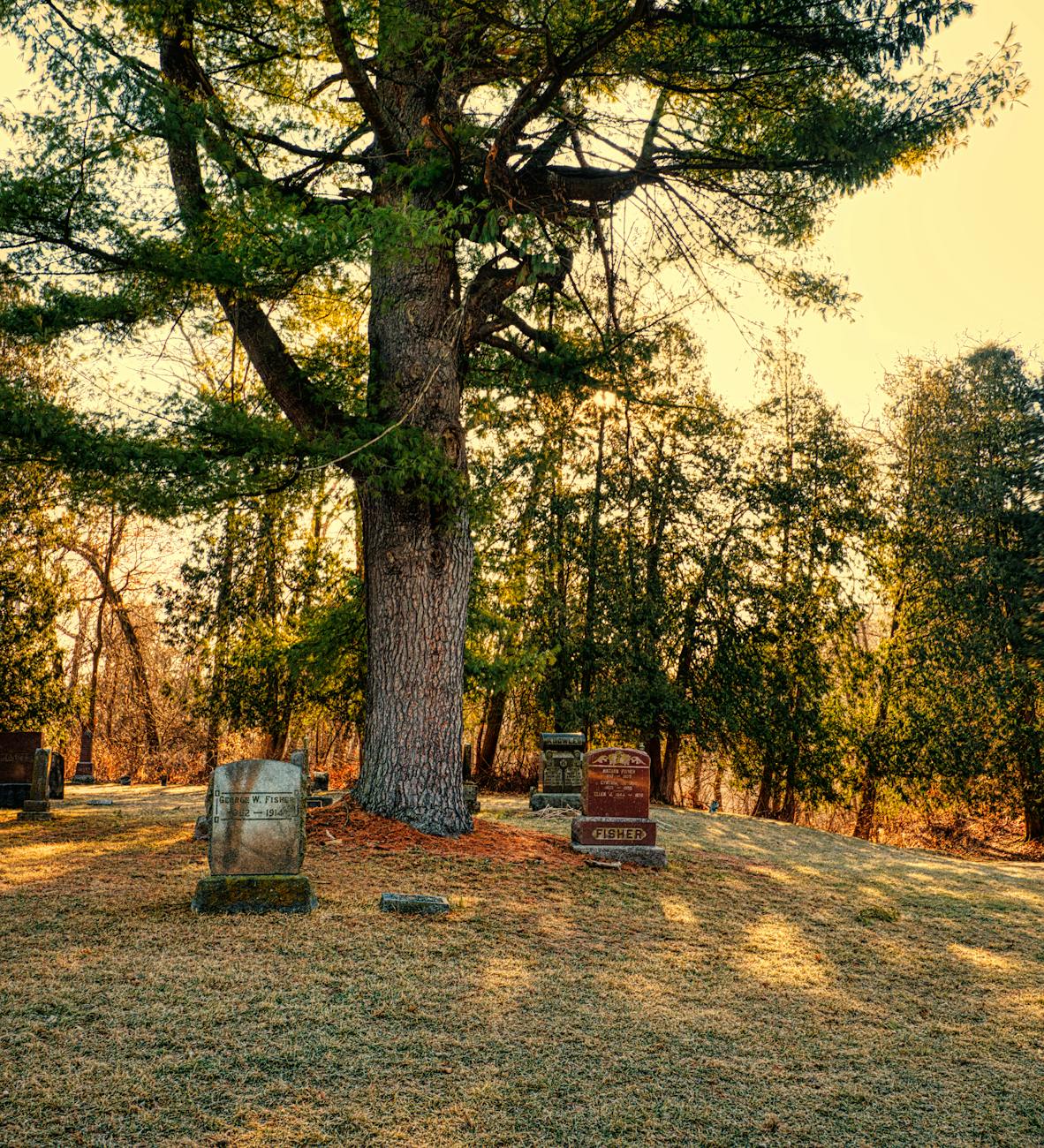
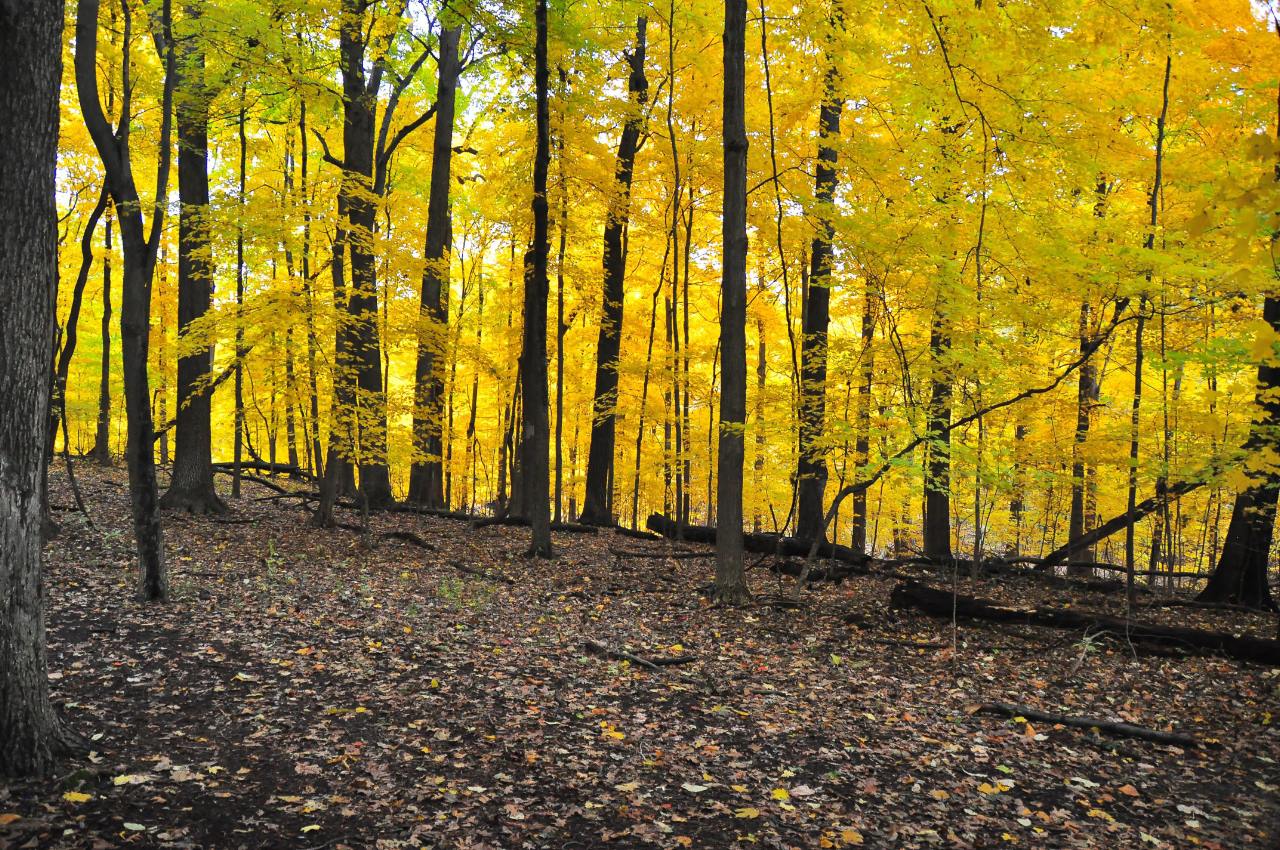
A forest of hardwood and pine whispers calm to my soul as we stroll its quiet path of leaves and fine needles with the occasional call of small birds, conversation of crows, or tune composed of breeze strumming the trees to the rhythm of woodpecker’s tap, even as our own whispers overlap woodland’s song — one I wish to carry lifelong.
“Lord, make me an instrument of Your peace. Where there is hatred, let me sow love; where there is injury, pardon; where there is doubt, faith; where there is despair, hope; where there is darkness, light; where there is sadness, joy.
O, Divine Master, grant that I may not so much seek to be consoled as to console; to be understood as to understand; to be loved as to love; For it is in giving that we receive; it is in pardoning that we are pardoned; it is in dying that we are born again to eternal life.” ~ Anonymous(attributed to St. Francis of Assisi)
Sonnet for Lord, Make Me an Instrument of Your Peace
Of many writings I wish were my own, this certainly resides among the best. And while this poet’s name remains unknown, their heart’s benevolence is manifest.
And oh to be an instrument of peace And oh to harmonize with God’s great grace No dissonance released from my mouthpiece No notes omitted, wrestled, or misplaced
God likens clanging cymbals and loud gongs to those who harbor hate within their soul. I want to spill His love where there are wrongs – the love that brings us peace and makes us whole.
Don’t want to be a cymbal or a gong – Just long to harmonize with Him in song.
We’re back in Red, a cabin we once knew. She was the first to which we came for rest. But then we switched to one we know as Blue. Both feel like home, and neither one is “best.”
Nostalgia here in Red, intense and deep, returns us to our long-forgotten years of risky hikes (both treacherous and steep). Our younger selves don’t hear our future fears.
Inherent wisdom fills her ancient beams. They’ve centuries of stories, as has she. Her cozy manner begs us (so it seems): Speak quiet love, relax, and be carefree.
Surrounded by strong hardwood and soft fir, Red’s presence stirs up thoughts of who we were.
Well, while our government remains shut down and citizens debate who is at fault and billionaires don’t lose one grain of ground, *SNAP benefits are coming to a halt.
Our churches, mosques, and temples work to fill the need our government’s left in its wake. We’ll all step up to compensate — but still, where will we find resources it will take?
We’ll find it in abundance we consume. We’ll find the here and there that we can spare. We’ll set our table, and we’ll make more room. And even those themselves in need will share.
While left and right debate who is at fault, the poor among us feel the full assault.
As for me, this is the desire of my heart: “And I’ll be the poet who sings your glory – and live what I sing every day.” ~ Psalm 61:8
“The morning stars sang together, and all the sons of God shouted for joy.” ~ Job 38:4
Job, Psalms, Proverbs, Ecclesiastes, Lamentations, and the Song of Solomon are poetry books in the Bible. If you believe, as I do, that the Bible is the inspired word of God, God is a poet! I LOVE that!
They come from situations we’ve only read about, and chosen to distance ourselves from. They’ve faced profound persecution, violence, starvation, and unfathomable humanitarian crises. They seek the simple: Clean water, food, education, a roof, a measure of safety, a measure of acceptance, a measure of stability. They listen. They strain. They try to understand us. They study to learn our language, so they might be able to communicate their needs. Desires. Gratitude. Humor. Life.
Some hear broken English. I hear the flawless sound of resilience.
They come from distant lands, escaping war, famine, natural disaster, unlivable conditions, persecution, economic instability, etc.
They arrive carrying whatever they can. Perhaps a photo or two. A key to a house that may no longer exist. Only the clothes on their backs.
One very dear Syrian friend had to leave suddenly. Flee. Her family, in the middle of a meal, left pots and plates of food years ago.
Ukrainian friends we now consider family arrived with one school-type backpack for their family of four. Yes, you read that correctly. Some aren’t even that lucky.
Dowla chose one item to bring: A wooden pole, balanced on her shoulders, with which to carry her six children when they tired of the 10-day walk from Sudan to a refugee camp in South Sudan.
Aboubacar fled Mali on a donkey cart with his wife and two children. The one item he chose to bring? His goat. “The goat brings me hope, joy, and a sense that things can change for the better.”
After dealing with several months of air raids, Magboola and her three children finally left Sudan the night soldiers came and opened fire. The most important item she chose to carry: a small cooking pot. It could be easily carried, and used to feed her children.
102-year-old Omar is blind. His item of choice was his lati (his walking stick). “If I hadn’t had my lati, I would have crawled to Bangladesh.” The situation in the village he loved, yet had to flee, was dire. The journey, unimaginably hard. A quote I relish from him is this: “If you laugh, others will laugh with you. And if you stop laughing, you will die.”
Elizabeth fled war in Angola. 52 years later, she still struggles with the feeling of not having a real home. The one item she still has with her is her Bible. “In this world, bad things happen, but in the Bible you can find words which help you.”
The stories are endless unimaginable heartbreaking staggering awe-inspiring.
The people are strong courageous thankful giving hopeful, in spite of it all.
It is my honor and great blessing to look into the eyes of those I am privileged to personally know. To hear their stories. See their smiling eyes. Feel their arms around me. Their kisses on my cheeks. To taste their food. Receive their time and their love.