Women who are new to our country, culture, and language enter Miss Tatyana’s classroom for their first day of school. For many, it is their first day of school, ever. They enter a clean, well-lit, lovely room. They are greeted with warm, smiling eyes, and an offer of tea. They see words they can’t read, written on a large whiteboard, “I didn’t come here to teach you. I came here to love you. Love will teach you.” These words, from ancient Indian scripture, speak the heart of their new teacher. She translates the words to their own language, and watches as their nerves visibly ease. They hug, love in return, and begin to learn.
When welcomed inside and planted in prepared soil, non-native plants thrive.
They come from situations we’ve only read about, and chosen to distance ourselves from. They’ve faced profound persecution, violence, starvation, and unfathomable humanitarian crises. They seek the simple: Clean water, food, education, a roof, a measure of safety, a measure of acceptance, a measure of stability. They listen. They strain. They try to understand us. They study to learn our language, so they might be able to communicate their needs. Desires. Gratitude. Humor. Life.
Some hear broken English. I hear the flawless sound of resilience.
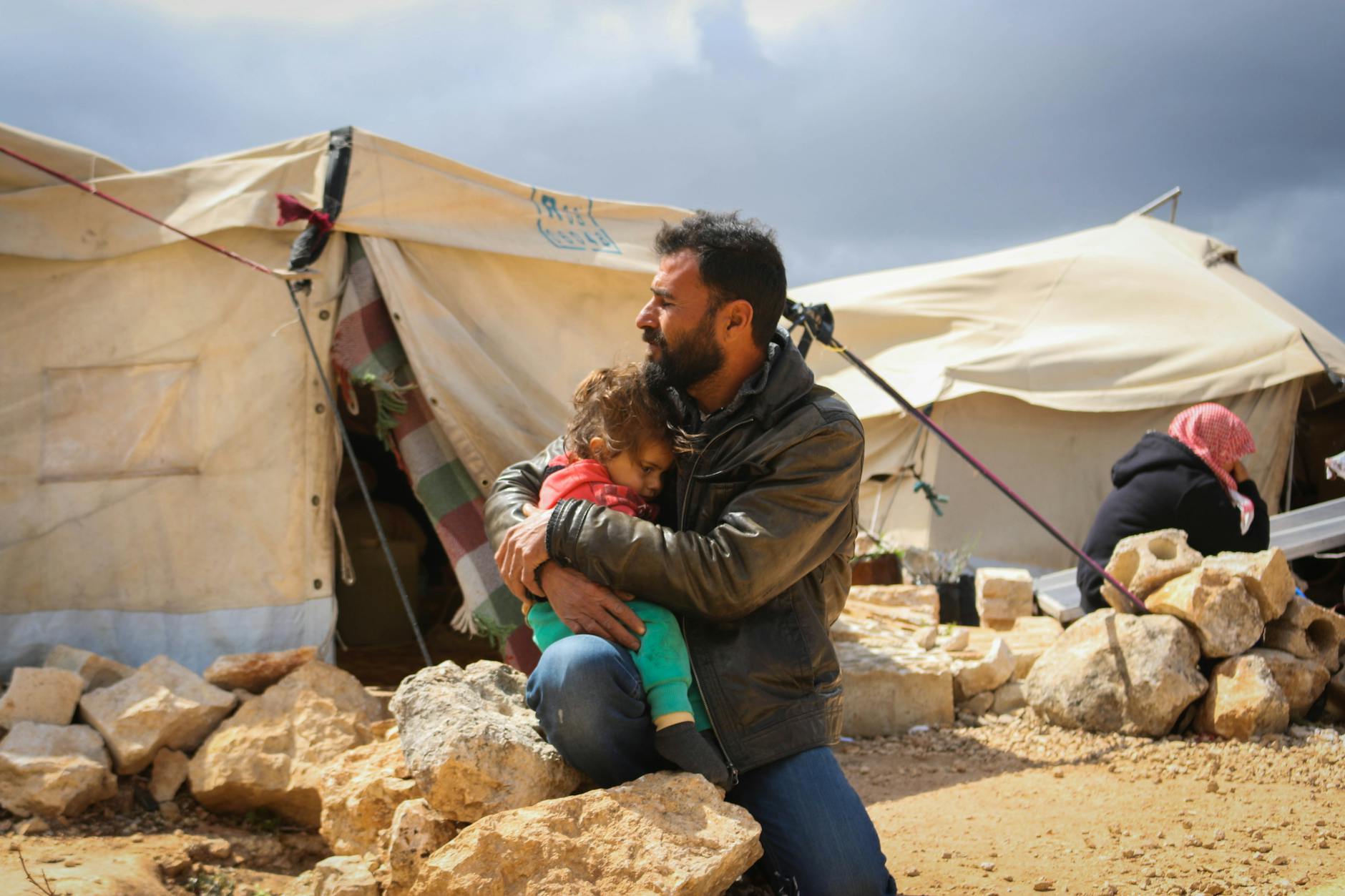
They come from distant lands, escaping war, famine, natural disaster, unlivable conditions, persecution, economic instability, etc.
They arrive carrying whatever they can. Perhaps a photo or two. A key to a house that may no longer exist. Only the clothes on their backs.
One very dear Syrian friend had to leave suddenly. Flee. Her family, in the middle of a meal, left pots and plates of food years ago.
Ukrainian friends we now consider family arrived with one school-type backpack for their family of four. Yes, you read that correctly. Some aren’t even that lucky.
Dowla chose one item to bring: A wooden pole, balanced on her shoulders, with which to carry her six children when they tired of the 10-day walk from Sudan to a refugee camp in South Sudan.
Aboubacar fled Mali on a donkey cart with his wife and two children. The one item he chose to bring? His goat. “The goat brings me hope, joy, and a sense that things can change for the better.”
After dealing with several months of air raids, Magboola and her three children finally left Sudan the night soldiers came and opened fire. The most important item she chose to carry: a small cooking pot. It could be easily carried, and used to feed her children.
102-year-old Omar is blind. His item of choice was his lati (his walking stick). “If I hadn’t had my lati, I would have crawled to Bangladesh.” The situation in the village he loved, yet had to flee, was dire. The journey, unimaginably hard. A quote I relish from him is this: “If you laugh, others will laugh with you. And if you stop laughing, you will die.”
Elizabeth fled war in Angola. 52 years later, she still struggles with the feeling of not having a real home. The one item she still has with her is her Bible. “In this world, bad things happen, but in the Bible you can find words which help you.”
The stories are endless unimaginable heartbreaking staggering awe-inspiring.
The people are strong courageous thankful giving hopeful, in spite of it all.
It is my honor and great blessing to look into the eyes of those I am privileged to personally know. To hear their stories. See their smiling eyes. Feel their arms around me. Their kisses on my cheeks. To taste their food. Receive their time and their love.
She, with little to her name, fumbles a moment in her purse, rolls down her window, and hands money to the man with the sign she can’t read. He thanks her, and says, “God bless you.” All she understands is his smile, which she returns with a nod of her head. She rolls up her window. I place my hand on her shoulder. She smiles at me, and I at her.
And how could I have immediately known her, if not for the light.
Some of the most physically gorgeous sincere generous intelligent strongest kindest women I know — women I have the privilege of loving and being loved by —
scream.
Not with their voices
but with their color covering accent mother tongue.
They scream, Foreigner! Criminal! Unsafe! Unwelcome!
The beautiful truths in their hearts are misperceived. They are viewed as ugly lies in the eyes of the listeners who hear only what they are told to hear.
If only you knew them. If only you were willing to spend time communicating communing sharing food exchanging smiles searching their eyes tracing their hearts experiencing their generosity,
your hate and fear would shut up shut down.
Your heart and home would open expand make way.
You would hear not screams, but intelligent ideas endearing emotions liberal benevolence soothing sentiments
and you would do anything in your power to protect their lives and their hearts, and protect your relationship with them.
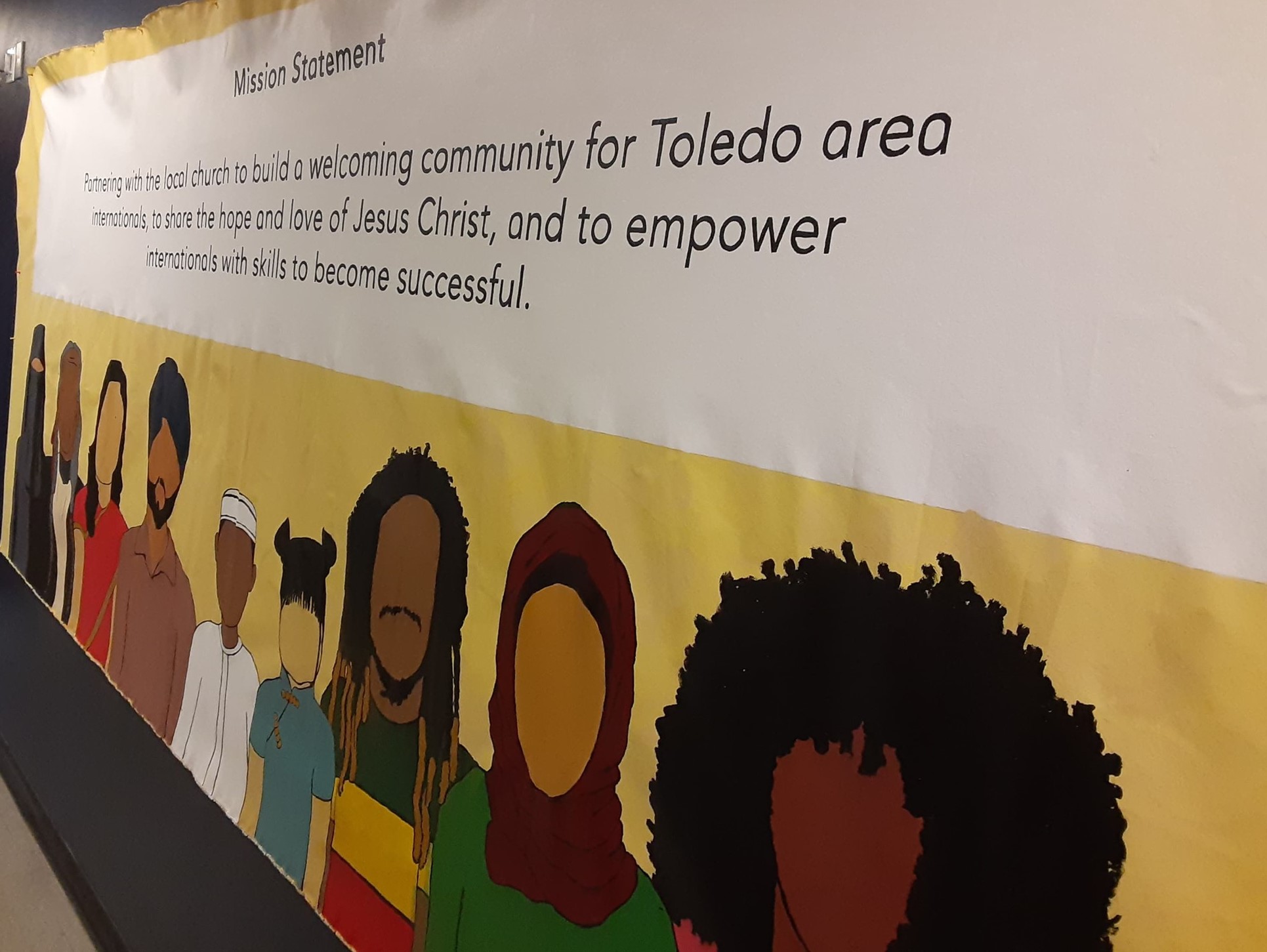
Teaching ESL (English as a Second Language) to Possible U.S. (United States) Citizens
We are too different to unite. I will never be convinced Integration is possible. I see Insurmountable hurdles. Listen: Don’t be fooled into thinking these are U.S. citizens in the making








 pictured words